Things to know before visiting Shravanabelagola for pilgrimage
Shravanabelagola is nestled in Karnataka's Hassan district. Firstly, visiting Shravanabelagola for pilgrimage takes you to a timeless destination for spiritual seekers and cultural enthusiasts. Known for its colossal monolithic statue of Lord Bahubali and centuries-old Jain temples, this town is a revered site in Jainism. Thousands of devotees undertake a pilgrimage here to seek inner peace and liberation from worldly attachments. But exploring Shravanabelagola for pilgrimage further requires more than just travel plans. One has to understand its traditions, logistics, and the spiritual context can truly enhance your experience. This guide meanwhile covers all the essential things to know to make your pilgrimage respectful, fulfilling, and well-prepared.
Understand the Spiritual Significance
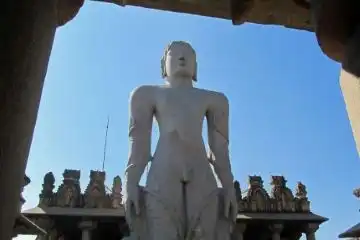
At the core of Shravanabelagola's importance is its role as a major Jain tirtha or pilgrimage site. The massive 57-foot statue of Lord Bahubali is perched atop Vindhyagiri Hill. It firstly symbolizes renunciation and self-realization. Lord Bahubali is believed to have meditated motionlessly for a year, leading further to liberation. Devotees believe that visiting this site purifies one's karma and strengthens the path toward spiritual enlightenment. For exploring the pilgrimage sites in Amaravati consider our other blogs. This spiritual legacy stretches over 2000 years, with references to Shravanabelagola. That are found in ancient Jain scriptures and royal patronage by the Mauryan and Hoysala dynasties. Pilgrimage here isn't just an act of devotion but a personal journey of reflection and detachment from materialism.
Ideal Time to Visit
Choosing the right time to visit Shravanabelagola can significantly impact your experience. The best months for visiting Shravanabelagola for pilgrimage are from October to March. During that, the weather is cooler and more pleasant for the hill climb. Summer months from April to June should be avoided due to the scorching heat. That further makes the granite steps extremely hot and challenging to climb. The monsoon months, though lush and green, can make the climb slippery. If your visit coincides with the Mahamastakabhisheka festival, which happens once every twelve years, expect massive crowds and vibrant celebrations. This rare event is a once-in-a-lifetime spiritual spectacle that draws pilgrims from around the world.
Travel Routes and Accessibility
Reaching Shravanabelagola is quite convenient as it is well-connected by road and rail. It is located around 145 km from Bengaluru, 83 km from Mysore, and 50 km from Hassan. This town is firstly accessible by state-run buses, private vehicles, and railways. The nearest railway station, Shravanabelagola Station, is about 13 km from the main site. It is connected to Hassan and nearby cities. The closest airports are in Bengaluru and Mysore. From where you can meanwhile take a cab or bus to reach the town. If traveling with elderly family members, consider halting in nearby towns like Channarayapatna for better rest and a smoother trip.
Climbing Vindhyagiri Hill
One of the most iconic parts of visiting Shravanabelagola for pilgrimage is the climb up Vindhyagiri Hill. There, the statue of Lord Bahubali stands further. The hill has over 600 granite steps carved into the rock. Although the climb is physically demanding, it is deeply spiritual. Along the way, You will encounter ancient carvings, panoramic views, and a calming silence. That further prepares your mind for spiritual introspection. It's recommended to start the climb early in the morning or late in the afternoon to avoid the heat. Carrying water, a sun hat, and a walking stick can help, especially for elderly or first-time climbers. Above all, devotees often climb barefoot as an act of reverence, though this is optional.
Dress Code and Cultural Sensitivity
Respecting the spiritual sanctity of Shravanabelagola firstly begins with appropriate attire and behavior. Visitors should wear modest clothing that covers shoulders and knees. Footwear is not allowed on the hill or in temple areas, and leather items are considered inappropriate. Therefore, avoid wearing leather belts, wallets, or accessories. Silence and peaceful conduct are expected throughout your journey of visiting Shravanabelagola for pilgrimage trip. Mobile phones should be on silent mode, and public displays of affection are discouraged. Understanding and adhering to these customs further ensures a respectful experience for you and for other pilgrims and worshippers.
Sacred Rituals and Participation
One of the highlights of visiting Shravanabelagola for pilgrimage is participating in the sacred Abhisheka ritual. During that, the Bahubali statue is ceremonially bathed with milk, saffron, turmeric, sandalwood paste, and holy water. This spiritual cleansing ritual symbolizes the purification of the soul. Visitors can sponsor or observe these rituals, which usually take place early in the morning. During festival periods, especially the Mahamastakabhisheka and Panchakalyana Mahotsava, the ceremonies are held on a grand scale. They stand out further with religious discourses, processions, and spiritual gatherings. These events offer an enriching opportunity to immerse yourself in the Jain way of life and philosophy.
Facilities and Accommodation Options
Pilgrims will find ample accommodation options near the temple and town center. Jain Dharmashalas provide basic, clean lodging at nominal rates and are a good choice for devotees. Many of these also offer Jain Bhojanalayas. There, simple vegetarian meals without onion or garlic are served in line with Jain dietary rules. Budget hotels and guesthouses are available for travelers who meanwhile prefer more privacy or amenities. During festival times, however, accommodations are often fully booked, therefore it's best to make your reservations well in advance. For a more comfortable stay, you can also explore lodging in nearby Hassan and commute to the site.
Traditional Jain Cuisine
One of the unique cultural experiences while visiting Shravanabelagola for pilgrimage is sampling traditional Jain cuisine. Food in Shravanabelagola is strictly vegetarian. Many places firstly serve meals prepared without root vegetables or strong spices. These sattvic meals are designed to nourish the body without stimulating the senses excessively. Meals often include dishes for example rice, dal, phulkas, and simple curries. Fresh fruit stalls and tender coconut vendors line the pilgrimage paths and further offer refreshment to tired climbers. Bringing packaged snacks and water bottles is advisable, especially if you're traveling with children or elders.
Exploring Chandragiri Hill
In addition to Vindhyagiri, the nearby Chandragiri Hill offers a quiet and enriching historical experience. Smaller and less crowded, this hill houses a series of ancient Jain temples known as Basadis. Many of which further date back to the 9th and 10th centuries. Notable among these are the Chandragupta Basadi. It is linked to the Mauryan emperor, and the Parshwanatha Basadi, known for its fine carvings. The peaceful environment, minimal crowds, and spiritual energy of this hill make it ideal for quiet meditation and exploration. It meanwhile provides breathtaking views of the surrounding plains and Vindhyagiri Hill.
Health and Safety Essentials
Considering the physical effort involved in visiting Shravanabelagola for pilgrimage, it is important to prepare for basic health and safety. The steep climb, hot weather, and exposure to the sun can firstly cause fatigue or dehydration. Carry sunscreen, water, and oral rehydration salts to stay protected. While medical help is available in town, its advisable to carry your own medicines, especially for chronic conditions. For elderly visitors or those with mobility issues, doli services are available. There, trained porters further carry passengers up the hill in a palanquin. However, it's a paid service and can be arranged at the base of the hill.
Photography Guidelines
Shravanabelagola offers plenty of stunning photographic opportunities. But, it is essential to follow guidelines out of respect for the sacredness of the site. Photography is allowed in open spaces, but refrain from taking pictures during rituals or inside temples without permission. Use of flash, drones, or commercial filming equipment requires prior approval from temple authorities. The view from the top of Vindhyagiri is especially photogenic during sunrise and sunset, offering memorable images of the surrounding countryside and temple architecture.
Extend Your Journey Beyond Shravanabelagola
Your pilgrimage can be extended by visiting nearby historical and spiritual sites to enrich your journey. About 70 km away lies Belur and Halebid, famous for their intricate Hoysala temples. Meanwhile, make a visit to Dharmasthala, another significant spiritual site. Here, Hindu and Jain practices coexist and provides insight into Karnataka's religious diversity. You may further consider Shringeri, known for its Advaita matha and peaceful riverbank setting. Each of these destinations offers a unique cultural and spiritual experience that complements the essence of your visit to Shravanabelagola.
Summary
In short, visiting Shravanabelagola for pilgrimage is a journey that blends devotion, history, and introspection. Explore from understanding the rituals and climbing sacred hills to honoring Jain customs and tasting traditional cuisine. However, every element contributes to a deeper spiritual experience. Prepare ahead with knowledge about the best time to visit, respectful behavior, and local travel options. It will ensure that your visit is both smooth and meaningful. Whether you're a devout follower or a curious traveler seeking peace and heritage, Shravanabelagola offers a transformative journey that leaves lasting impressions.