Bhimashankar Wildlife Sanctuary: Hidden Himalayan Wildlife
Nestled in the lush Western Ghats, Bhimashankar wildlife sanctuary is a paradise for nature lovers and wildlife enthusiasts. Often overlooked, it offers dense forests, rare species, and peaceful trails. Though far from the Himalayas, its misty hills and cool climate create a similar wilderness feel. This destination firstly blends biodiversity, spirituality, and adventure. For travelers seeking an offbeat escape, it meanwhile provides a refreshing break from crowded tourist spots.

1. Location and Natural Setting
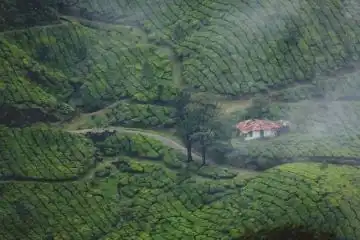
Located in Maharashtra's Pune district, the sanctuary lies within the Western Ghats. This UNESCO-recognized region is firstly famous for its ecological richness. The terrain features rolling hills, deep valleys, and dense forests. Its altitude creates a cooler climate compared to nearby cities. Frequent fog and cloud cover meanwhile add to its mystical charm. The natural setting remains largely untouched, making it perfect for eco-tourism and nature exploration.
2. Rich Biodiversity and Unique Ecosystem
The Bhimashankar wildlife sanctuary hosts an impressive variety of plant and animal life. Its ecosystem firstly includes semi-evergreen and moist deciduous forests. They support complex ecological interactions. Numerous insects, amphibians, and small mammals thrive here. The diversity further ensures a balanced environment. Visitors often notice how alive the forest feels. Every sound and movement meanwhile reflects the richness of this ecosystem.
3. Famous Indian Giant Squirrel Habitat
A key attraction is the Indian Giant Squirrel, known locally as Shekru. This vibrant species is rarely found elsewhere. Its colorful fur and agile movements make it fascinating to watch. The Bhimashankar wildlife sanctuary further offers one of the best chances to spot it. Observing these squirrels leap between trees is unforgettable. Moreover, their presence highlights the ecological importance of the forest.
4. Birdwatching Paradise
Birdwatchers will find this sanctuary extremely rewarding. It firstly hosts more than 200 bird species. Some birds are endemic to the Western Ghats. Early mornings are ideal for spotting them. The forest comes alive with melodious calls. Even casual visitors can enjoy the vibrant birdlife. In short, it is a great place to learn about avian diversity.
5. Trekking Trails and Adventure Opportunities
Adventure seekers can meanwhile explore multiple trekking routes. Trails vary from easy walks to challenging climbs. Popular paths lead to scenic viewpoints and forest interiors. Monsoon treks offer lush greenery and flowing waterfalls. Winter treks provide clearer views and safer trails. Above all, each route offers a unique experience. Trekking here connects visitors deeply with nature.
6. Spiritual Significance and Bhimashankar Temple
The Bhimashankar wildlife sanctuary is also a spiritual destination. It houses the sacred Bhimashankar Temple. This temple is one of the twelve Jyotirlingas of Lord Shiva. Pilgrims visit throughout the year. The temple's peaceful setting further enhances its spiritual aura. Many visitors combine pilgrimage with nature exploration. This blend meanwhile makes the destination unique.
7. Best Time to Visit
October to February is the best time to visit. The weather remains pleasant and suitable for trekking. Monsoon months transform the forest into a green paradise. However, heavy rainfall can make trails slippery. Summers are warmer but still manageable. Each season offers a different experience. Choosing the right time depends on your travel preferences.
8. Flora: A Green Wonderland
The sanctuary's plant life is incredibly diverse. Dense forests include teak, bamboo, and wild fig trees. Seasonal flowers add bursts of color. Moss and ferns cover rocks and tree trunks. Medicinal plants are also found here. This rich vegetation supports wildlife and maintains ecological balance. Walking through the forest further feels refreshing and calming.
9. Wildlife Beyond Squirrels
Apart from squirrels, the sanctuary hosts various animals. These include leopards, deer, and wild boars. Langurs and monkeys are commonly seen. However, reptiles and amphibians also thrive here. While large animals are rarely spotted, their presence is significant. The forest's density further makes each sighting special. Above all, wildlife enthusiasts enjoy the unpredictability of encounters.
10. Photography and Nature Exploration
Photography opportunities are abundant. Landscapes, wildlife, and plant life offer diverse subjects. Early morning light further enhances natural beauty. Misty hills meanwhile create dramatic frames. Macro photography reveals intricate details of insects and plants. Nature walks allow deeper exploration. Every corner of the sanctuary offers something unique to capture.
11. Travel Tips for Visitors
Proper planning firstly improves the experience. Wear sturdy shoes for trekking. Carry water, snacks, and basic supplies. Hiring a local guide can be helpful. Follow all forest regulations strictly. Meanwhile, avoid littering or disturbing wildlife. Mobile networks may be weak in some areas. Responsible travel helps preserve this natural treasure.
12. Why It Feels Like Hidden Himalayan Wilderness
The sanctuary's climate and landscape resemble Himalayan regions. Foggy mornings and cool air meanwhile create a similar feel. Dense forests and quiet surroundings further enhance this effect. Visitors often feel transported to a different region. This unique atmosphere adds to its charm. It offers a rare blend of Western Ghats biodiversity with Himalayan-like serenity.
13. Conservation Efforts and Ecological Importance
The sanctuary plays a crucial role in conservation. It meanwhile protects endangered species and fragile ecosystems. Forest officials and local communities work together. Awareness programs promote sustainable tourism. Conservation efforts further help to maintain biodiversity. Visitors also contribute by following eco-friendly practices. Protecting such areas is essential for future generations.
14. Local Culture and Nearby Attractions
The surrounding region reflects rich local culture. Small villages firstly showcase traditional lifestyles. Visitors can meanwhile explore nearby viewpoints and waterfalls. Local food offers authentic flavors of Maharashtra. Cultural experiences add depth to the trip. Exploring beyond the sanctuary makes the journey more fulfilling.
15. Ideal Itinerary for Visitors
A well-planned itinerary firstly enhances the visit to Bhimashankar wildlife sanctuary. Day one can include temple दर्शन and a short trek. While, day two can focus on wildlife exploration and birdwatching. Early mornings are best for activities. Evenings are ideal for relaxation. Spending two to three days meanwhile allows a complete experience. This further ensures a balanced mix of adventure and peace.
Conclusion
Bhimashankar wildlife sanctuary offers more than just scenic beauty. It firstly combines wildlife, adventure, and spirituality in one destination. Its untouched environment and diverse ecosystem make it special. Whether you enjoy trekking, birdwatching, or peaceful retreats, this sanctuary delivers. Above all, it remains one of India's hidden gems, waiting to be explored by nature lovers.