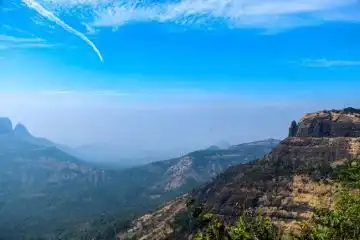
Common mistakes to avoid when visiting Aru for nature tourism
Nestled in the serene landscapes of Jammu & Kashmir, Aru Valley is a hidden gem for nature tourism. However, like many untouched destinations, visiting Aru for nature tourism comes with its unique set of challenges. With its pristine beauty, tranquil rivers, and snow-capped peaks, it's a dream destination for nature lovers and adventure seekers alike. To make the most of your trip and enjoy its beauty responsibly, it's essential to avoid certain mistakes. In this guide, we'll highlight the top mistakes to avoid when exploring Aru. That further ensure your experience is as enriching as it is unforgettable.
1. Underestimating the Weather Conditions
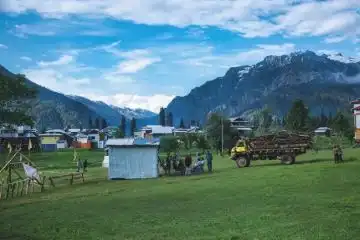
One of the most common mistakes when visiting Aru for nature tourism is not being adequately prepared for the weather. Aru Valley experiences a variety of weather conditions. That range from sunny days to sudden rainfall and even snow. The weather can change rapidly, especially at higher altitudes. Many visitors make the same mistake. They think that the weather will be predictable based on what they experience at lower altitudes. Above all, make sure to pack appropriate clothing. That meanwhile include warm layers, waterproof gear, and sturdy shoes, regardless of the time of year. Along with Aru the hidden gems in Sonmarg will be a great escape. Checking weather forecasts regularly before your trip will further help you avoid any surprises.
It's also worth noting that during the winter months, some routes may become inaccessible due to heavy snowfall. Therefore, before visiting Aru for nature tourism its crucial to check whether certain trekking paths are open. Always be prepared for sudden weather changes by carrying extra gear. For example rain jackets or windbreakers, even during clear days, as the weather can shift unexpectedly.
2. Not Researching the Best Time to Visit
Timing is everything when it comes to enjoying the natural beauty of Aru. A common mistake many travelers make is visiting Aru for nature tourism without considering the season. While summer (May to September) offers pleasant weather and is the best time for trekking. The winter months (December to February) bring heavy snow, which can make certain areas inaccessible. Research the best time for your desired activities-whether it's trekking, photography, or simply soaking in the views. That can further make a world of difference in your experience.
Additionally, the autumn months (October-November) offer a stunning display of changing foliage. That stands out further with vibrant hues of red, orange, and yellow. If you are a photography enthusiast, visiting Aru for nature tourism during this season can yield the most beautiful landscapes. Similarly, spring (March-April) presents a different yet equally captivating side of Aru, with wildflowers beginning to bloom. It meanwhile creates a colorful contrast against the backdrop of snow-capped peaks. Understanding the different seasons will help you plan your trip accordingly. Above all, it ensures that you experience the beauty of Aru at its peak.
3. Ignoring Local Customs and Etiquette
No doubt, Aru is a popular destination for nature tourism. But, it's also a place rich in local culture and traditions. Many visitors make the mistake of overlooking the customs of the local communities. Be respectful of local traditions, especially in remote areas. It firstly ensures a positive and harmonious experience for everyone. Do simple gestures for example dressing modestly and asking for permission before taking photographs. That can go a long way in showing respect to the locals.
It's also important to understand the spiritual significance of certain sites. Aru Valley is home to several religious shrines and sacred spots. That hold deep meaning for the local population. When visiting these places, take time to learn about their significance. Meanwhile, avoid engaging in any activities that may be considered disrespectful. Take part in local customs and showing appreciation for the culture. However, it can lead to richer and more meaningful interactions with the community.
4. Not Hiring a Local Guide
Aru Valley is an untouched paradise. But, navigating its winding paths and trails can be tricky, particularly for first-time visitors. Many tourists make the mistake of exploring without a guide. That can further lead to confusion, missed opportunities, and even safety concerns. In short, hiring a local guide can enrich your experience. They provide valuable insights into the region's history, wildlife, and hidden gems. That meanwhile make your trip of visiting Aru for nature tourism more educational and enjoyable.
Local guides are also equipped with extensive knowledge of the terrain and weather patterns. That firstly helps you to avoid potentially dangerous situations. In addition, they can lead you to secluded spots that aren't commonly known to tourists. It allows you to experience Aru's beauty in its purest form. Investing in a guide not only supports the local economy but also ensures a safer and more fulfilling experience.
5. Overpacking and Carrying Unnecessary Gear
When preparing for your trip of visiting Aru for nature tourism, less is more. Overpacking is a common mistake made by many tourists, especially those who are trekking. Carrying too much weight can hinder your experience and add unnecessary strain to your journey. Focus on essentials for example water, a camera, basic first-aid supplies, and a map. Travel light to further ensure you can enjoy the beauty of Aru without being bogged down by excess baggage.
Another common mistake is bringing heavy, non-essential luxury items, for example expensive jewelry or gadgets. These not only add unnecessary weight but can also increase the risk of losing them in a remote area. Think practical, focusing on essentials that will further enhance your comfort and safety. If you're planning to stay in local guesthouses or campsites, check in advance about the amenities provided. So, that you don't overpack items that are already available to you.
6. Neglecting to Stay Hydrated and Nourished
Exploring the natural wonders of Aru Valley can be physically demanding, especially when trekking through its rugged terrain. A common mistake is failing to meanwhile drink enough water or eat regularly. The altitude can affect your energy levels, and staying hydrated is key to avoiding fatigue. Above all, carry sufficient water and healthy snacks like energy bars, fruits, and nuts. Proper nourishment is vital to ensuring you remain energized throughout your adventure.
Another crucial aspect is eating from local sources. Many visitors make the mistake of relying heavily on packaged or processed foods. Instead, try eating at local eateries where you can sample traditional Kashmiri dishes. That are meanwhile rich in nutrients and energy. Moreover, local food helps you connect with the culture and adds another layer to your travel experience.
7. Skipping Safety Precautions During Trekking
Aru Valley offers several trekking trails, ranging from moderate to challenging. Many tourists make the mistake of underestimating the difficulty of the trails or neglecting safety precautions. It's important to check trail conditions before heading out. In addition, wear appropriate footwear, and pace yourself to avoid exhaustion. If you are trekking in the higher altitudes, it is also essential to acclimatize properly to avoid altitude sickness.
Some areas of Aru can have treacherous terrain. Without proper preparation, you could put yourself at risk of injury. Make sure to bring along essentials like a first-aid kit, navigation tools (map and compass), and any necessary medications. Always inform someone of your trekking plans, especially if you are venturing into remote areas. Having a trekking buddy or group can further make the journey safer and more enjoyable.
8. Ignoring Environmental Conservation Efforts
Above all, visiting Aru for nature tourism comes with the responsibility of preserving its pristine environment. A significant mistake made by some visitors is leaving behind trash or disturbing the natural flora and fauna. Make sure to carry out all waste, avoid littering, and stick to designated paths. That meanwhile helps to preserve the beauty of the valley. Respect the local wildlife by observing from a distance and never feeding animals. As this can disrupt their natural behaviors.
Aru is home to diverse ecosystems, and it is essential to tread lightly. Avoid picking wildflowers or disturbing natural habitats. Follow eco-friendly practices for example using reusable water bottles, minimizing plastic usage, and supporting conservation efforts. That further help ensure that future generations can enjoy the same beauty Aru has to offer.
9. Rushing Through Without Taking the Time to Explore
One of the greatest mistakes tourists make when visiting Aru is rushing through without taking the time to truly immerse themselves in its beauty. Aru is a place for slowing down, appreciating the surroundings, and connecting with nature. Meanwhile, avoid trying to see everything in one go. Take time to explore the valley at a relaxed pace. Enjoy the local flora and fauna, and simply soak in the majestic views. The best experiences often come when you allow yourself to take it all in.
Instead of planning your visit around a tight schedule, consider extending your stay. Further, allow flexibility in your itinerary. There are many hidden spots in Aru that may require some exploration to discover. They are for example hidden streams, serene meadows, or secluded viewpoints. Spending time in nature without the pressure of rushing will enhance your overall experience.
10. Forgetting to Capture the Moment Responsibly
While it's tempting to snap countless photos of Aru's stunning landscapes, it's crucial to strike a balance. A common mistake is focusing too much on capturing the perfect shot and missing out on the real experience. Take time to be present and appreciate the sights and sounds around you. Use your camera mindfully and avoid overcrowding sensitive areas with too many photographers. Remember, the memories you create in Aru will last a lifetime. On the other hand, the photos should serve as reminders, not distractions.
In addition, ensure that your photos respect the natural environment. Avoid using flash photography near wildlife or sensitive ecosystems, as it can disturb the balance. By capturing moments responsibly, you further help preserve the integrity of the place.
11. Not Being Prepared for Limited Connectivity
Aru Valley, like many remote destinations, has limited connectivity. Many visitors expect seamless internet access and phone service, which can be a rude awakening. To avoid frustration, plan ahead and inform loved ones of your limited availability. This will meanwhile allow you to fully embrace the serenity of Aru without the distractions of the outside world. Further, make sure to download maps, itineraries, and entertainment (like books or music) for the journey.
Moreover, with limited connectivity, you'll have more opportunities. So that, you can immerse yourself in the surroundings. Above all, you can appreciate the natural beauty of Aru without constant digital interruptions. Use this as a chance to disconnect from the virtual world and reconnect with nature.
12. Neglecting Health and Safety Preparations
Above all, ensure your health and safety should be a priority when visiting Aru for nature tourism. This means getting the necessary vaccinations, carrying a basic first aid kit, and ensuring you have travel insurance. Some visitors fail to account for health concerns, particularly when trekking in high altitudes. Always carry necessary medications and be mindful of your physical condition. Above all, know where the nearest medical facilities are in case of emergencies.
When traveling to remote areas like Aru, it's essential to take precautions. For example use mosquito repellent, avoid excessive exposure to the sun, and carry high-energy snacks for emergencies. Having a health plan in place will allow you to focus on enjoying the natural beauty. That meanwhile lies around you giving peace of mind.
Conclusion
In short, visiting Aru for nature tourism can be an enriching experience. But, it is important to be prepared and avoid the common mistakes that many visitors make. Take the time to research, respect the local customs, stay safe, and protect the environment. By that, you'll ensure a more fulfilling and enjoyable trip. Whether you are trekking through the lush valleys or simply admiring the breathtaking views, Aru offers an unparalleled escape into nature. Take these tips to heart and make the most of your journey in this pristine paradise.