The preferable time to explore Kangra for pilgrimage tourists
Kangra, nestled in the lap of the Himalayas, is a spiritual haven for pilgrimage tourists. However, choosing the preferable time to explore Kangra can significantly enhance your spiritual experience. Home to revered temples for example the Jwalamukhi Temple, Chamunda Devi Temple, and Brajeshwari Devi Temple, this district in Himachal Pradesh attracts devotees year-round. Understanding the best seasons, weather conditions, festivals, and travel tips can make your pilgrimage journey more fulfilling. Let's explore the ideal time and considerations to make your spiritual visit to Kangra truly divine.
The Best Season for Pilgrimage in Kangra
The ideal season for pilgrimage tourists in Kangra is during the post-monsoon and winter months. That remains from September to March. During this period, the weather remains pleasant, allowing for comfortable temple visits and scenic exploration. The temperatures are moderate, and the visibility remains clear, enhancing the spiritual charm of the region. Many tourists prefer this time for its balanced climate during this time. That further makes their temple visits comfortable and hassle-free. Choosing the best time to explore Badrinath is crucial to explore the region. The cool breeze, the tranquility of the hills, and the spiritual vibrations of the temples create an ideal atmosphere. That is meanwhile perfect for introspection and devotion.
Spring - A Season of Blooming Spirituality
Spring, from March to May, is one of the preferable time to explore Kangra for spiritual trip. It firstly breathes new life into Kangra's sacred sites. The air is filled with the fragrance of blooming flowers, and the surrounding landscapes turn vibrant green. That firstly provide a picturesque backdrop for temple visits. The temperature ranges between 15°C to 25°C. It makes it comfortable for long hours of worship and exploration. Pilgrims can find solace in meditative retreats, where they can connect with nature and their inner selves. The serenity of the temples during this season allows for a deeper spiritual connection without the rush of peak tourist seasons.
Summer - A Time of Spiritual Fervor
During the summer months of May and June, Kangra experiences slightly warmer temperatures, reaching up to 35°C. However, early morning and late evening temple visits remain pleasant. It allows devotees to immerse themselves in religious rituals without discomfort. This period is particularly significant for those who seek to combine their pilgrimage with adventure. Further, many travelers visit Kangra before embarking on trekking expeditions in the Himalayas. The energy in the temples remains high, as devotees continue to arrive in large numbers to seek blessings. That further makes the summer months a vibrant yet preferable time to explore Kangra region.
Monsoon - A Season of Beauty for Travel
Monsoon, spanning from July to August, transforms Kangra into a lush green paradise. The hills and valleys are rejuvenated by frequent showers, creating breathtaking scenery. However, despite the natural beauty, this is not the best time for pilgrimage tourists. The heavy rainfall often leads to landslides, roadblocks, and slippery pathways, making travel difficult and sometimes even hazardous. Many temples in remote locations become inaccessible due to the weather conditions. Pilgrims who still wish to visit during this period should stay updated on weather forecasts and road conditions to ensure a safe journey.
Autumn - The Perfect Time for a Spiritual Retreat
Autumn, from September to November, is the preferable time to explore Kangra for pilgrimage tourists. With temperatures ranging between 10°C to 25°C, the weather is neither too hot nor too cold. That meanwhile creates an ideal atmosphere for temple visits. As the monsoon retreats, the landscape is left refreshed and vibrant, enhancing the divine experience. There is a clarity in the air, environment is peaceful, and accessing the temples is easy. That further make this the most sought-after season for religious travelers. It is during autumn that pilgrims can truly experience the spiritual grandeur of Kangra. That too without the extremes of other seasons.
Winter - A Divine Experience in the Cold
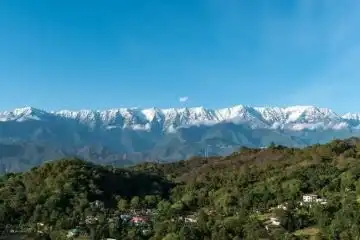
Winter, from December to February, offers a different kind of spiritual experience in Kangra. The cold air, sometimes accompanied by snowfall, blankets the region in a serene white stillness. However, the temperatures can drop to 0°C in higher altitudes. But, the experience of praying in temples surrounded by snow-capped mountains is nothing short of magical. Pilgrims who seek solitude and an undisturbed spiritual retreat will find winter to be a preferable time to explore Kangra. The crowds are significantly thinner, allowing devotees to take their time in prayers and meditation without feeling rushed. However, visitors should be prepared with warm clothing and check for weather updates to avoid any travel disruptions.
How Festivals Influence the Best Time to Visit Kangra
Festivals are an essential part of pilgrimage tourism in Kangra. Many devotees plan their visits around these celebrations. Navratri, observed twice a year in March-April and September-October, is one of the most significant festivals in Kangra. During this time, temples are adorned with decorations, and thousands of devotees gather for grand celebrations and prayers. Lohri, celebrated in January, further adds a cultural element to a pilgrimage journey. It stands out further with locals lighting bonfires and engaging in folk dances. Diwali, which falls between October and November, is another mesmerizing time to visit, as temples are illuminated with lights and diyas, creating a surreal and divine ambiance.
Accessibility and Travel Arrangements for Pilgrims
One of the biggest factors to consider while planning a pilgrimage to Kangra is accessibility. During peak seasons such as spring and autumn, transportation options are abundant. Gaggal Airport provides convenient air connectivity, while Kangra Mandir Railway Station offers rail transport options. Road networks are also well-maintained, making bus and taxi travel feasible. However, during the monsoon, landslides may disrupt road connectivity, and in winter, snowfall can cause temporary travel restrictions. Pilgrims should always check travel advisories before embarking on their journey to ensure a smooth and hassle-free experience.
Spiritual Retreats and Meditation for Pilgrimage Tourists
Beyond temple visits, Kangra offers a profound experience for spiritual seekers through its meditation centers and ashrams. Places for example Gyuto Monastery and Chinmaya Tapovan Ashram provide an ideal opportunity for pilgrims. As they can deepen their spiritual practice through guided meditation and yoga sessions. Many visitors prefer to explore these retreats during the spring and autumn months when the weather is comfortable. This one of the preferable time to explore Kangra allows them to fully immerse in meditation without external distractions. These centers serve as a complement to temple visits. Above all, they offer spiritual enlightenment through disciplined practices and teachings.
Accommodation and Facilities for Pilgrims
Pilgrims visiting Kangra during the recommended seasons of autumn and spring will find a wide range of accommodation options. That range further from budget Dharamshalas to luxurious resorts. During major festivals for example Navratri and Diwali, it is advisable to book accommodations in advance. That further helps you to avoid last-minute inconveniences. Many hotels and guesthouses offer facilities tailored for pilgrimage tourists. That meanwhile include vegetarian meals and proximity to temples. Staying in traditional guesthouses can also provide a more authentic experience. It allows pilgrims to connect with the local culture and traditions of the region.
The Culinary Experience - A Delight for Pilgrims
Kangra's pilgrimage experience is incomplete without savoring its traditional cuisine. Devotees can relish temple prasad, which is often prepared using age-old recipes and offered as divine blessings. The ‘langar' services at various temples provide free community meals, emphasizing the spirit of equality and devotion. Additionally, local Himachali dishes for example ‘Madhra' and ‘Dham' offer a unique gastronomic experience for visitors. Pilgrims visiting during festival seasons can enjoy special festive meals, making their spiritual journey even more memorable.
Final Thoughts on Planning the Perfect Pilgrimage to Kangra
Choosing the preferable time to explore Kangra for pilgrimage tourists depends on personal preferences and weather conditions. Those seeking a vibrant atmosphere with grand celebrations should visit during Navratri or Diwali. While pilgrims looking for solitude and reflection may find winter more appealing. Spring and autumn stand out as the most balanced seasons. They further offer pleasant weather and easy accessibility to temples. Avoiding the monsoon meanwhile ensures a smoother journey, free from travel disruptions. Regardless of when you choose to visit, Kangra remains a spiritual sanctuary. That promises divine blessings and a fulfilling pilgrimage experience.