FAQs about water tourism in Vellore What you need to know
Vellore, is a city often celebrated for its historical forts and spiritual landmarks, is gaining quiet recognition for its scenic outdoor offerings, particularly through water tourism. A trip to enjoy water tourism in Vellore offers a blend of natural beauty, adventure, and cultural richness. That offer travelers a chance to explore less-commercialized gems surrounded by hills and forests. Vellore is not traditionally considered a major water-based destination like Kerala or Goa. But, it surprises visitors with its serene lakes, rivers, and nature-integrated experiences. This article addresses the most frequently asked questions about Vellore's water tourism. It also provides everything you need to know before planning your trip.
What is Water Tourism in Vellore All About?
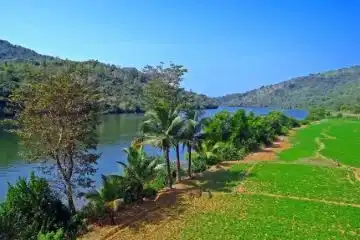
Water tourism in Vellore refers to travel experiences centered around the city's rivers, lakes, and waterfalls. These attractions are often tucked away amidst rural backdrops or nestled in the Eastern Ghats. That provide visitors with peaceful retreats away from urban chaos. Travelers can enjoy leisurely boating, riverside picnics, bird watching, and even nature treks that involve interaction with nearby water bodies. Unlike overdeveloped tourist hotspots, Vellore's aquatic sites retain a raw charm. That water adventures in Nilgiris appeals to those looking for eco-tourism or countryside escapes. It's an ideal choice for nature lovers, photographers, families, and weekend explorers seeking something a little different.
Which Are the Best Water Attractions in Vellore?
The region's best-known water attraction is Punganur Lake in Yelagiri. It is a man-made lake popular for boating and scenic walks. Surrounded by a park and garden, it's perfect for families and couples alike. The Amirthi River, located near the Amirthi Zoological Park, offers a forested, unspoiled environment. There, you can enjoy shallow water streams and spot wildlife. For a more adventurous outing for enjoying water tourism in Vellore, Jalagamparai Waterfalls is a must-visit - especially during the post-monsoon months. Palamaner Lake and Saduperi Lake are lesser-known but charming locations ideal for bird watching and quiet reflection. Each destination has a distinct personality, giving visitors a variety of ways to enjoy water tourism in Vellore.
Is Boating Available in Vellore?
Absolutely! Boating is a key highlight of water tourism in the Vellore region, particularly in hill stations like Yelagiri. At Punganur Lake, you can enjoy both pedal and row boating in a well-maintained environment with safety protocols in place. The area around the lake features walkways, gardens, and play areas, making it a full-day attraction. Although the city of Vellore itself doesn't have major boating hubs, several nearby destinations offer scenic and affordable boating options. Some private resorts around water bodies also provide small-scale paddle boating, adding a bit of aquatic fun to your rural getaway.
What Activities Can I Enjoy Besides Boating?
The experience of water tourism in Vellore extends well beyond just boating. If you enjoy nature, you'll appreciate bird watching near calm lakes and rivers, especially during the migratory seasons from November to February. Hikers and trekkers will love combining a forest walk with a splash at the Jalagamparai Waterfalls or the Amirthi River. Both of them involve light trekking and close encounters with natural streams. Photography enthusiasts can capture reflections of surrounding hills and clouds in the region's still waters. Some visitors also enjoy riverside meditation, nature journaling, and sketching. The tranquil settings invite slow travel, where the journey is as enriching as the destination.
Best Time to Explore Water Tourism in Vellore
Timing your trip well can make all the difference. The best time to explore water tourism in Vellore is during the cooler months from October to March. At that time, the weather is mild and comfortable. During this season, lakes and rivers are full, waterfalls are flowing, and the forested trails are lush and inviting. Monsoon season, which runs from June to September, also enhances the natural beauty of the region. However, heavy rains might cause accessibility issues at some locations. Summer months like April and May can be harsh, with high temperatures making outdoor activity uncomfortable during the day. Further, early mornings and late evenings are still enjoyable.
How Safe Is Water Tourism in Vellore?
Safety is a top priority for many travelers, and Vellore does a decent job in this regard. Managed tourist zones such as Punganur Lake are equipped with life jackets, trained staff, and clear boating rules to ensure a safe experience. Trekking routes near waterfalls are also relatively safe when approached with caution and proper footwear. However, some water spots are located in remote or forested areas, so it's essential to take basic precautions. Always inform someone about your itinerary, travel in groups when possible, and avoid venturing into restricted zones. During the monsoon, slippery rocks near streams and falls can pose risks, so be vigilant.
Are There Guided Tours Available?
Yes, guided tours are available for those who prefer structured itineraries or want deeper insights into the region's history and natural features. Local tour operators often offer half-day or full-day trips covering key water attractions around Vellore and Yelagiri. These guides are usually well-versed in regional biodiversity, culture, and safety protocols. Guided treks to Jalagamparai Waterfalls, for example, are popular among nature groups and students. Some homestays and eco-resorts even include guided excursions as part of their packages. For those who prefer flexibility, self-guided travel is also very manageable thanks to good road signage and mobile navigation apps.
How Accessible Are Water Tourism Spots from Vellore City?
Water attractions in the region are quite accessible, making them ideal for day trips or weekend getaways. Punganur Lake in Yelagiri is approximately 90 kilometers from Vellore, taking about two hours by car via NH 48. The Amirthi Zoological Park and River is just 25 kilometers away and can be reached in under an hour. Jalagamparai Waterfalls is around 85 kilometers from the city and is accessible via well-maintained roads. However, public transportation options to these places are limited. Hiring a taxi or driving your own vehicle is the most convenient way to explore water tourism in Vellore, especially if you're planning to visit multiple spots in a single trip.
What to Pack for Water Tourism in Vellore
Preparing well can significantly enhance your experience. Since many water destinations involve walking or light trekking, pack comfortable clothes, hiking shoes, and sun protection like hats and sunscreen. If you're boating, consider carrying a lightweight rain jacket or quick-dry clothing. A waterproof bag is handy for storing electronics, while binoculars and a camera are useful for nature and bird watching. Carry your own drinking water, snacks, and a basic first-aid kit, especially if heading to more remote areas. A reusable cloth or towel and mosquito repellent can also come in handy near water bodies during dusk.
Are There Accommodation Options Near Water Attractions?
Vellore and its surrounding areas offer a range of accommodations catering to different budgets and travel styles. In Yelagiri, You will find everything from eco-resorts and mid-range hotels to charming homestays. That offer a local experience near Punganur Lake. Near the Amirthi River, rustic lodges and nature camps provide an immersive forest experience, perfect for eco-conscious travelers. Back in Vellore city, there are numerous hotels ranging from budget lodgings to luxury stays, allowing travelers to use the city as a base for short excursions. Booking ahead is recommended, especially during the festive and winter seasons when tourism sees a noticeable spike.
How Does Water Tourism in Vellore Support Sustainable Travel?
Sustainability is slowly becoming a key aspect of water tourism in Vellore. Initiatives such as eco-tourism parks, plastic-free zones, and community-run tourism programs are being promoted in areas like Yelagiri and Amirthi. These initiatives encourage travelers to respect the environment, reduce waste, and support local livelihoods. Visitors are urged to use reusable containers, avoid single-use plastics, and leave natural areas undisturbed. By choosing to travel responsibly, tourists not only help conserve the area's delicate ecosystems but also contribute to the economic well-being of nearby rural communities that depend on tourism income.
Final Thoughts: Reasons to Explore Vellore's Water Tourism
In short, water tourism in Vellore offers a refreshing alternative to more crowded and commercialized destinations. It offers a combination of peaceful lakes, gentle rivers, scenic waterfalls, and eco-conscious travel experiences. With them, the region has something for every type of traveler. Whether you are seeking quiet moments in nature, a fun boating session, or a culturally rich countryside trip, Vellore delivers. Add to that the region's growing infrastructure, accessibility, and responsible tourism approach, and you have a destination worth to explore. For those who enjoy blending nature with discovery, Vellore is an underrated gem waiting to be explored - one calm water ripple at a time.