What to know before visiting Rudraprayag for water tourism
Rudraprayag, located in the heart of Uttarakhand, is where adventure meets serenity. Whether you are an adrenaline junkie or a relaxed explorer, visiting Rudraprayag for water tourism can be a rewarding experience. Known for its sacred river confluence and awe-inspiring Himalayan backdrop, this region is an emerging favorite for water tourism. The powerful Mandakini and Alaknanda rivers offer more than just spiritual solace. They meanwhile create thrilling opportunities for white-water rafting, riverside camping, and peaceful nature escapes. But to make the most of your journey, there are some important things to know in advance. From local customs to safety measures and the best seasons to travel, here's your comprehensive guide.
Understand the River Confluence and Its Importance
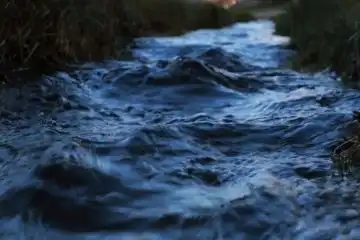
The most defining feature of Rudraprayag is the stunning confluence of the Mandakini and Alaknanda rivers. This meeting point is not only a spiritual highlight but also a geographical marvel that shapes the region's entire ecosystem. For water tourists, this convergence sets the stage for numerous aquatic adventures and nature-based activities. Enjoying Uttarkashi water adventures are also great options for water lovers. The rivers' behavior is influenced by glacial melts and seasonal rainfall, which makes understanding the local hydrology critical for a safe and enjoyable trip. It's a good idea to speak with local guides about river conditions before participating in any water-based activity.
Best Time to Visit Rudraprayag for Water Tourism
The timing of visiting Rudraprayag for water tourism can make or break your water tourism experience. The ideal time for engaging in water sports or scenic exploration along Rudraprayag's rivers is from March to June. The next perfect time is again from September to early November. During these months, the weather is generally mild, the skies are clear, and the river currents are manageable. That meanwhile create perfect conditions for rafting, kayaking, and riverside camping. Monsoon season (July to August) should be avoided due to high water levels. Further, there is an increased risk of flash floods or landslides. Winter months can get chilly and limit access to some outdoor adventures, although the views during that time are incredibly scenic.
Thrilling and Tranquil Water Activities to Try
Further, visiting Rudraprayag for water tourism opens up a rich menu of activities. That range from high-octane to deeply calming. One of the most popular choices is white-water rafting on the Alaknanda River. That offers varying levels of rapids for both beginners and experts. For those preferring a slower pace, kayaking and canoeing in the calmer stretches of the Mandakini provide intimate encounters with nature. Fishing enthusiasts will enjoy the peaceful rhythm of angling in quieter river areas. While riverside yoga and camping retreats offer spiritual renewal alongside natural beauty. Many travelers also enjoy simple riverside walks to absorb the scenic Himalayan surroundings.
Safety Precautions You Must Follow
While the rivers of Rudraprayag offer excitement, safety should always be the top priority. Always use certified gear, including well-fitting life jackets, helmets, and waterproof accessories. Choose tour operators who are recognized by the Uttarakhand Tourism Board or have solid reviews online. Listening to your guide's instructions and understanding the basic dos and don'ts of each activity can prevent accidents. Avoid venturing into unknown trails, especially during monsoon or post-rainfall conditions. It's also wise to travel with a basic first-aid kit and let someone know your itinerary if you are heading into less populated areas.
Permits, Regulations, and Responsible Tourism
In general, permits are not required for common water activities like rafting or kayaking. However, certain ecologically or religiously sensitive zones may have entry restrictions or regulated timings. Check with the local tourism office in Rudraprayag or your tour operator for any updates or guidelines. Practicing responsible tourism while visiting Rudraprayag for water tourism is equally important. Stay within marked boundaries, do not pollute the riverbanks, and avoid disturbing wildlife. Supporting local operators who follow eco-friendly protocols can also contribute to the preservation of this natural gem.
Packing Essentials for a Smooth Experience
Packing smart ensures you are well-prepared for visiting Rudraprayag for water tourism. Quick-dry clothes, UV-protective sunglasses, a brimmed hat, and secure sandals or water shoes are essentials. A waterproof bag or dry sack is great for keeping electronics, documents, and snacks safe. Add sunscreen, insect repellent, and a reusable water bottle to your list. A rain poncho or light jacket can come in handy, especially during unpredictable weather changes. Don't forget to pack a flashlight and basic medication if you're planning overnight stays by the river or hiking excursions after water activities.
Best Places to Stay for Easy Water Access
Choosing the right accommodation plays a key role in maximizing your access to water activities. Areas like Tilwara, Agastyamuni, and Ransi Village offer easy access to riverside locations while providing decent lodging options. From basic budget stays to eco-lodges and boutique homestays, there's something for every type of traveler. For a more immersive experience, consider staying at riverside campsites, which often include meal plans, bonfire setups, and guided activity packages. Booking in advance during the peak seasons ensures better pricing and availability.
Respect the Spiritual and Cultural Environment
The rivers in Rudraprayag are not only natural wonders but also hold immense religious value. The entire region is steeped in spirituality, with temples, ghats, and sacred rituals marking the riverbanks. It's important to dress modestly while visiting Rudraprayag for water tourism, especially when near religious spots or during local festivals. Avoid loud behavior, photography in restricted areas, and stepping into sacred waters without permission. Learning a few local customs or greetings can go a long way in fostering goodwill and enhancing your cultural experience.
Getting to Rudraprayag and Local Transport
Reaching Rudraprayag is straightforward if planned correctly. The nearest airport is Jolly Grant Airport in Dehradun, about 160 km away. Rishikesh is the nearest major railway station, with frequent connections from Delhi and Haridwar. From these transit points, private taxis, shared jeeps, or state-run buses will get you to Rudraprayag. While within Rudraprayag, local jeeps and taxis can take you to nearby water sites and tourist attractions. Renting a vehicle with a driver is advisable for travelers unfamiliar with hilly terrain or weather conditions.
Practice Sustainable and Eco-Friendly Travel
Water tourism comes with responsibilities-especially in ecologically fragile areas like Rudraprayag. Always use reusable items such as water bottles and cloth bags, and avoid plastic waste. Stick to marked trails and avoid stepping into riverbanks or forests where human activity can harm the local ecosystem. Support local businesses and artisans to contribute to the community's sustainability. Many organizations in Rudraprayag also promote eco-tourism and conservation, so consider booking with them to minimize your environmental impact.
Extend Your Trip with Local Attractions
Your water adventure doesn't have to end at the rivers. Rudraprayag is close to some of Uttarakhand's most iconic attractions. Make a detour to Kedarnath Temple, one of the most important pilgrimage sites in India. Visit Chopta, a lush alpine meadow that doubles as a great trekking base for Tungnath and Chandrashila. For panoramic photography and a peaceful retreat, Deoria Tal is an excellent high-altitude lake nearby. Adding these spots to your itinerary can give your trip a more rounded Himalayan experience.
Health Tips and Acclimatization Advice
Although Rudraprayag sits at a moderate altitude, travelers may still feel the effects of thinner air and colder temperatures. It's best to rest for a few hours upon arrival, especially if you are traveling from the plains. Drink plenty of water, eat light meals, and avoid alcohol on your first day. Those with respiratory or heart issues should consult a doctor before participating in strenuous activities like rafting. Carry any essential prescriptions and a copy of your medical records if you have a chronic condition.
Conclusion: Make the Most of Your Visit to Rudraprayag
From sacred riverbanks to adrenaline-pumping rafting trails, visiting Rudraprayag for water tourism offers something truly special. Do thoughtful preparation-understand the local environment, choose the right season, respect cultural sensitivities, and embrace eco-friendly practices. With that, you can enjoy a safe and unforgettable experience. You may be chasing river rapids or just unwinding by the water. Rudraprayag promises natural beauty, adventure, and a spiritual connection like no other.