The preferable season to enjoy nature tourism in Gulmarg
Gulmarg, nestled in the breathtaking valleys of Jammu and Kashmir, is a haven for nature lovers and adventure seekers alike. But when is the best time to experience nature tourism in Gulmarg let's explore. This blog post explores the preferable seasons to enjoy the natural wonders of this paradise. Gulmarg is firstly known for its lush meadows, snow-capped peaks, and rich biodiversity. It meanwhile attracts travelers looking to immerse themselves in the pristine beauty of the Himalayas. This blog will help you plan a trip that maximizes your connection with its stunning landscapes.
1. Understanding Nature Tourism in Gulmarg
A trip of nature tourism in Gulmarg revolves around exploring its diverse flora and fauna. It includes trekking through dense forests, enjoying panoramic vistas, and engaging in outdoor activities. That further celebrate the environment. This form of tourism is more than just sightseeing-it's about connecting deeply with nature's rhythms. Embarking on a trip of nature tourism in Dhanaulti is also a great option for nature lovers. Choosing the right season to visit greatly influences what you see and experience. As Gulmarg's environment dramatically changes with the passing months. The climate fluctuates from chilly winters to warm summers, and each season offers unique natural spectacles.
2. Spring: A Burst of Color and Life
Spring in Gulmarg, from March to May, is when the valley wakes up from its winter slumber. Snow starts melting, rivers swell, and wildflowers carpet the meadows in vibrant colors. This season is ideal for travelers wanting to witness nature's rebirth. Tulips, crocuses, and daisies bloom in abundance, turning the landscape into a living canvas. The weather is pleasantly cool, with temperatures ranging from 7°C to 20°C, perfect for outdoor activities such as hiking, photography, and birdwatching. Spring is also less crowded than summer, giving a peaceful vibe to nature tourism in Gulmarg.
3. Summer: Ideal for Hiking and Outdoor Adventures
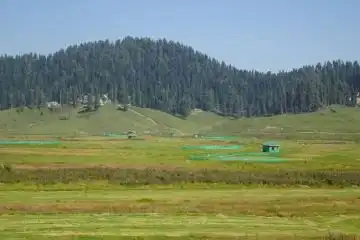
Summer, spanning June to August, is the peak season for nature tourism in Gulmarg. The weather is mild and enjoyable, with temperatures between 15°C and 25°C. That further make a trip of nature tourism in Gulmarg comfortable for extended outdoor activities. During these months, the alpine meadows are lush green, and the forests brim with life. It's the best time for trekking enthusiasts who want to explore higher altitudes without snow blocking the trails. Wildlife is more visible, and birdwatchers can spot species for example the vibrant Himalayan Monal and various migratory birds. Summer also hosts local festivals that bring a cultural flavor to your nature-centric visit.
4. Autumn: The Golden Season for Scenic Beauty
From September to November, autumn transforms Gulmarg into a golden paradise. The foliage changes into fiery reds, oranges, and yellows. That firstly creates stunning contrasts against the evergreen pine forests and distant mountains. This season offers crystal-clear skies and cooler temperatures, usually ranging from 10°C to 18°C. That are ideal for photography, hiking, and leisurely nature walks. Autumn is quieter than summer. Therefore, if you prefer solitude while exploring the environment, this is the preferable season to enjoy nature tourism in Gulmarg.
5. Winter: A Snow Lover's Paradise
Winter in Gulmarg, from December to February, is synonymous with heavy snowfall and a white wonderland. Though it remains colder, with temperatures often dipping below freezing. But, this season appeals to those seeking a unique nature tourism in Gulmarg experience. The snow-covered pine forests and frozen streams create surreal landscapes that look straight out of a fairy tale. Many come here for winter sports for example skiing and snowboarding. But, the quieter moments in snowy woods and the sparkling frost on tree branches offer a different kind of natural magic. Be prepared for chilly weather and occasional travel delays due to snow.
6. Why Avoid Monsoon for Nature Tourism in Gulmarg?
Monsoon season, generally from late June to September, brings heavy rainfall to Gulmarg. No doubt, rain rejuvenates the forests and valleys, turning them lush and verdant. But, it can make outdoor activities challenging. Trails become slippery and potentially dangerous, and persistent fog and mist can obscure mountain views. For those focused on uninterrupted nature exploration and photography, monsoon is the least preferable season. As it can cause hurdles in enjoying nature tourism in Gulmarg. However, if you don't mind rain and want to see the valley in its freshest state, monsoon can offer a unique experience.
7. Wildlife Watching: When to Visit for the Best Experience
For wildlife enthusiasts, the timing of your visit is crucial. Spring and summer are the best seasons for observing Gulmarg's diverse fauna. During these months, animals are more active and easier to spot in the cooler mornings and evenings. Species like musk deer, Himalayan marmots, and various birds are commonly seen. Additionally, migratory birds pass through the region, adding to the biodiversity. Autumn also provides opportunities for wildlife viewing, though activity decreases as temperatures drop. Winter animals tend to hibernate or move to lower elevations, making sightings rare.
8. Trekking Seasons and Trail Conditions
Trekking in Gulmarg is one of the most rewarding ways to engage with nature tourism. The preferable seasons for trekking are spring, summer, and early autumn when trails are clear and weather conditions are stable. In spring, the landscape is lush and floral, while summer offers long daylight hours and pleasant temperatures. Autumn trekking showcases the dramatic fall colors and crisp air. Winter trekking requires special gear and experience due to snow and ice. The monsoon's slippery paths are best avoided unless you are a seasoned trekker.
9. Festivals and Cultural Experiences in Nature's Lap
Nature tourism in Gulmarg is enriched when combined with local cultural events. The Gulmarg Winter Festival held in January and February celebrates the snow season with music, dance, and winter sports competitions. Visitors can enjoy both natural beauty and cultural immersion during this lively festival. Spring fairs, often linked to agricultural cycles, showcase traditional crafts and cuisine amid blossoming landscapes. These events offer a deeper connection to the region beyond its natural environment, making your visit more memorable.
10. Accessibility and Accommodation Across Seasons
Gulmarg is accessible throughout the year, but road and accommodation conditions vary by season. Summer and autumn offer the most reliable travel conditions, with clear roads and open hotels and guesthouses. Winter requires preparation for snow, and some roads may be temporarily closed due to weather. Accommodations range from cozy lodges with heating to luxury resorts catering to winter tourists. Many places provide guided nature tours, ensuring you get the most from your visit regardless of season.
11. Balancing Crowd Levels and Experience
One important consideration when planning nature tourism in Gulmarg is crowd management. Summer is the most popular time, leading to busy trails and booked accommodations. If you prefer a quieter experience surrounded by nature's tranquility, consider visiting during the shoulder seasons of early spring or late autumn. These periods provide fewer tourists while still offering excellent weather and beautiful natural scenes. That meanwhile help you to connect more intimately with the environment.
12. Final Thoughts: Choosing Your Perfect Season
In short, the preferable season for nature tourism in Gulmarg depends largely on your interests. Spring and summer provide the best overall conditions for hiking, wildlife spotting, and floral beauty. Autumn impresses with stunning foliage and a peaceful atmosphere. While winter further offers a magical snow-covered landscape for adventurous spirits. Avoid the monsoon if you want uninterrupted outdoor activities. Whatever time you choose, Gulmarg's natural charm will captivate you and leave lasting memories.
Summary
Choosing the best time to enjoy nature tourism in Gulmarg is crucial to experiencing its full charm. Spring and summer are ideal for vibrant landscapes and outdoor activities, while autumn offers tranquil golden vistas. Winter caters to snow lovers and adventure seekers. However, avoid the monsoon for a hassle-free visit. Further, consider your preferences for wildlife, trekking, and cultural events when planning your trip to this Himalayan gem.