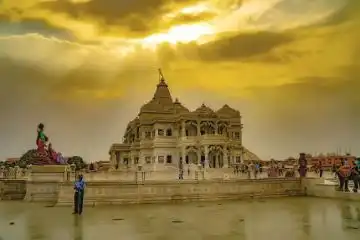
Explore must visit religious sites and famous temples in Kullu
Kullu, nestled in the heart of Himachal Pradesh, is a scenic valley. The region is home to numerous religious sites and famous temples in Kullu valley. Kullu is mainly renowned for its breathtaking natural beauty and rich cultural heritage. Beyond its scenic landscapes, Kullu is a spiritual sanctuary where ancient traditions and devotions continue to thrive. That not only draw pilgrims from across India but also travelers keen on exploring India's vibrant spiritual tapestry. This guide meanwhile invites you to explore these sacred places. Each stands out with its own story, architectural charm, and devotional significance. That further makes your visit to Kullu a truly enriching spiritual journey.
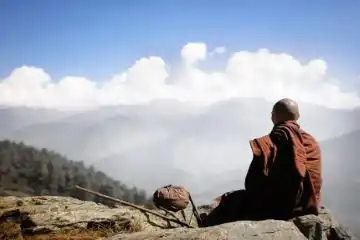
1. Raghunath Temple: The Heart of Kullu's Spirituality
Raghunath Temple stands as a beacon of devotion in Kullu. It is dedicated to Lord Rama, one of Hinduism's most beloved deities. Built in the 16th century by Raja Jagat Singh, the temple's architecture beautifully showcases traditional Himachali woodwork. That stands out with intricate carvings and sloping roofs designed to withstand the Himalayan winters. The temple is the center of spiritual life in the town, especially during the grand Dussehra festival. That further lasts for over a week and is celebrated with great fervor. Inside, the temple houses idols of Lord Rama, Lakshmana, and Sita, symbolizing virtue and righteousness. If you want to know the preferable time for Kangra trip, go through our other guides. Above all, it's temple's tranquil courtyard and the melodious chants create a deeply calming atmosphere for devotees and tourists alike.
2. Bijli Mahadev Temple: A Divine Mountain Shrine
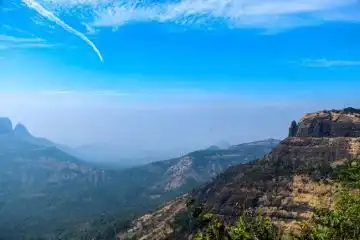
Perched dramatically at 2460 meters, Bijli Mahadev Temple is famous not only for its spiritual significance. It is also known for its stunning location on a rocky peak overlooking the Kullu valley. Dedicated to Lord Shiva, the temple is renowned for the 60-foot-long iron staff on its rooftop. That reportedly attracts lightning strikes during thunderstorms. Local legends say that the staff symbolizes Shiva's divine power and protects the valley from natural calamities. All of them further makes it one of the religious sites and famous temples in Kullu. Reaching this temple requires a moderate trek of about 3 kilometers from the base village, offering panoramic views of snow-capped peaks, lush forests, and the Beas River. The trek itself is a pilgrimage of sorts, blending nature and spirituality perfectly.
3. Hadimba Temple: A Spiritual Retreat Surrounded by Nature
Although located in Manali, the Hadimba Temple is often included in spiritual tours of the greater Kullu region. Dedicated to Hadimba Devi, a forest goddess and wife of Bhima from the Mahabharata, this temple firstly exudes a serene aura. Built in 1553, it features a unique pagoda-style architecture with a high wooden roof layered with cedar shingles. The temple's surroundings are equally enchanting-dense cedar forests and tranquil walking paths enhance the spiritual experience. That further makes it one of the religious sites and famous temples in Kullu. Visitors often meditate here or simply soak in the peaceful vibes. This temple beautifully represents the intersection of mythology, nature worship, and Himalayan culture.
4. Maheshwar Temple: Ancient Legends and Pilgrimage
The Maheshwar Temple is one of the oldest and most sacred temples in Kullu, dedicated to Lord Shiva. Legend has it that Maharishi Ved Vyas, the great sage who authored the Mahabharata, established this temple. The site is surrounded by ancient stone walls and beautifully carved wooden pillars, reflecting the region's rich architectural heritage. Many pilgrims come here to participate in the weekly rituals and special pujas, especially during Shivratri. The temple's location, amidst pine forests and near the confluence of rivers, adds to its mystical charm. Visiting Maheshwar Temple further offers a deeper connection to Kullu's spiritual past.
5. Bijli Mahadev Glacier Trek: Spiritual Journey Beyond the Temple
For combining adventure with spiritual exploration, should take the trek beyond Bijli Mahadev Temple. That lies near the nearby glacier is an unforgettable experience. This trek takes visitors through alpine meadows dotted with wildflowers, crystal-clear streams, and breathtaking mountain vistas. The glacier itself is a symbol of nature's purity and timelessness, inspiring reflection and awe. However, the trek is moderately challenging. But, the serene environment and occasional glimpses of wildlife make it a rewarding pilgrimage for both nature lovers and spiritual seekers.
6. Trilokinath Temple: A Blend of Hinduism and Buddhism
Trilokinath Temple is situated near the picturesque village of Naggar. It is a remarkable example of religious syncretism in the Kullu valley. The temple is dedicated to Lord Shiva but also revered by Buddhists, reflecting the valley's diverse spiritual heritage. This temple's location amidst apple orchards and terraced fields further enhances its peaceful setting. Inside, the ancient idols and stone carvings narrate stories from Hindu and Buddhist traditions. That meanwhile invite visitors to appreciate the region's unique cultural fusion. Festivals celebrated here often include both Hindu and Buddhist rites, showcasing unity in diversity.
7. Shikari Devi Temple: A Hilltop Goddess Shrine
Shikari Devi Temple is perched atop a hill at around 2650 meters. It offers visitors stunning views of the Kullu valley and the surrounding Himalayan ranges. Dedicated to Goddess Durga, the temple is a significant spiritual destination for devotees. Here, they come to further seek the goddess's blessings for strength and protection. This one of the main religious sites and famous temples in Kullu temple is particularly lively during the Navratri festival. At that time, pilgrims undertake the uphill trek to participate in vibrant rituals and celebrations. The path to the temple is dotted with prayer flags and small shrines. That meanwhile enriches the spiritual ambiance of the journey.
8. Jagat Temple: Echoes of Mythology and Devotion
Jagat Temple is dedicated to Lord Vishnu. It is one of the ancient religious sites and famous temples in Kullu nestled along the banks of the Beas River. The temple's name “Jagat” means “world”. It symbolizes the all-encompassing nature of Vishnu as the preserver of the universe. The temple's architecture features finely detailed wooden beams and pillars, carved with motifs from Hindu mythology. Pilgrims visit this temple not only for worship but also to admire its art and craftsmanship. The nearby river meanwhile adds a calming influence. That further makes this site ideal for reflection and spiritual rejuvenation.
9. Pandoh Temple: Hidden Spiritual Gem
Away from the usual tourist routes, Pandoh Temple is a quiet sanctuary cherished by locals. Surrounded by apple orchards and lush greenery, it is dedicated to local deities and guardians of the land. The peaceful environment firstly makes it a perfect retreat to experience the authentic spiritual life of Kullu. Visitors here can often witness traditional rituals and festivals that are less commercialized. It meanwhile offers a rare glimpse into the valley's folk traditions and religious practices.
10. Importance of Festivals in Kullu's Religious Sites
Kullu's temples are not just places of worship but vibrant centers of cultural expression, especially during festivals. The most famous festival, Dussehra, spans over a week and is unlike any other in India. It features grand processions where deities from various temples are carried through the streets. They are accompanied by music, dance, and traditional rituals. Many religious sites and famous temples in Kullu become focal points of devotion and celebration during this time. It attracts thousands of visitors. Other festivals for example Shivratri and Navratri also highlight the valley's religious zeal. That further make festival visits a wonderful way to experience the temples' spiritual energy.
11. Spiritual Significance of Kullu Valley's Religious Architecture
The temples in Kullu are distinct for their traditional Himachali style blending stone, wood, and slate in construction. This architectural style is not only aesthetically pleasing but also adapted to the Himalayan climate. The intricate wood carvings depict various deities, mythological scenes, and nature motifs. That meanwhile reflect the deep connection between spirituality and the environment. Understanding these architectural elements enriches the visitor's appreciation of the religious sites and famous temples in Kullu region. It meanwhile reveals layers of cultural symbolism embedded in their design.
12. Practical Tips for Visiting Religious Sites in Kullu
When planning your spiritual journey through Kullu, timing is key. The best months to visit are from March to June and September to November. During that, the weather is pleasant and festivals are in full swing. Dress modestly and wear comfortable shoes, especially if you plan to trek to hilltop temples like Bijli Mahadev and Shikari Devi. It's advisable to hire local guides who can share fascinating stories. They meanwhile explain the significance of various rituals and temple art. Respect local customs, particularly during prayers and ceremonies, to have a respectful and enriching experience.
Conclusion
Exploring the religious sites and famous temples in Kullu offers much more than sightseeing. That opens a window into centuries of devotion, art, and Himalayan culture. It starts from the bustling spiritual hub of Raghunath Temple. That further takes you to the serene heights of Bijli Mahadev and Shikari Devi temples. Above all, each site carries its own sacred story and aura. The vibrant festivals, unique architectural styles, and harmonious blend of nature and spirituality make Kullu a truly unforgettable destination. That is perfect for anyone seeking divine connection. You may be a pilgrim, history enthusiast, or cultural traveler. Kullu's temples promise a soulful journey that stays with you long after you leave.