Top wildlife spots to enjoy the natural wonders in Patnitop
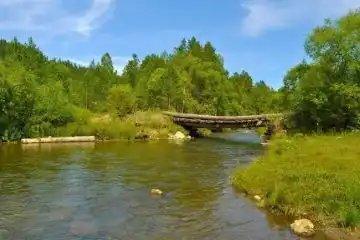
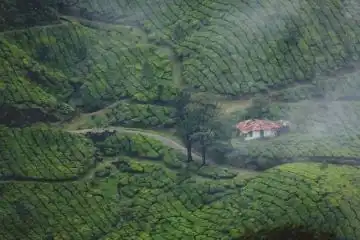
Nestled in the tranquil folds of the Shivalik range, Patnitop is celebrated for scenic meadows, panoramic views, and adventure sports. These untouched ecosystems are a vital part of the natural wonders in Patnitop to explore. That is perfect for those who appreciate nature in its rawest form. But beyond its touristic charm lies a world where wilderness reigns. There, dense forests, alpine trails, and high-altitude ridges host a diversity of Himalayan wildlife.
This listicle takes you beyond the usual tourist attractions and into the heart of Patnitop's biodiverse landscapes. Explore the top lakes and natural spots of Srinagar with our best travel guides. From misty valleys to pine-scented trails, here are the top wildlife spots where you can experience nature at its finest.

1. Sanasar: Where Meadows Meet Wildlife
Sanasar is more than a hub for paragliding and camping-it's a mini-ecosystem in itself. Just 20 km from Patnitop, this bowl-shaped valley is surrounded by pine forests and offers an excellent escape into nature. Bird lovers can spot woodpeckers, Himalayan bulbuls, and warblers fluttering through the trees. Wild hares and small jungle cats are often sighted along the trail edges. While leopard tracks hint at the area's apex predators.
The calm of Sanasar, gets combined with its rich biodiversity. That makes it an ideal starting point for experiencing the natural wonders in Patnitop.
2. Madhatop: Wild Encounters in Snowy Silence
A short 5 km trek from Patnitop, lies Madhatop. It is often blanketed in snow during winter and lush with foliage during the warmer months. It's a transition zone between alpine and temperate forests, which creates a unique blend of habitats. The Himalayan monal, known for its vibrant plumage, can be spotted here alongside pheasants and thrushes.
In deeper forested areas, shy creatures like the musk deer or serow may be glimpsed at dawn or dusk. During spring, the trails are dotted with blooming rhododendrons, adding to the sensory richness of the experience.
3. Batote Forest Belt: The Quiet Keeper of Biodiversity
Located 15 km away, the Batote belt is ideal for those looking to avoid crowds. At this one of the natural wonders in Patnitop one can enjoy the sounds of nature uninterrupted. Home to langurs, barking deer, civets, and a wide variety of butterflies, this forest reserve is perfect for nature photography.
You'll often find pugmarks or droppings indicating the presence of foxes and leopards. Keep an eye on treetops too-Batote has excellent raptor populations including eagles and owls. Forest officers occasionally organize conservation walks in this region, which are great opportunities to learn more about Patnitop's fragile ecosystems.
4. Sudh Mahadev Forest Range: Where Legends Roam with Wildlife
This sacred area isn't just about myth and spirituality. The dense forests enveloping the Sudh Mahadev shrine are teeming with natural life. That makes it one of the remarkable natural wonders in Patnitop for visitors. Rhesus macaques, mongooses, and porcupines are commonly seen.
Trekking along the ridge trail reveals a canopy. That bursts with chirping birds and the occasional slither of a Himalayan pit viper sunbathing on a rock. Because this area sees fewer tourists, wildlife tends to be more visible and active-especially during early mornings. During that, the forest comes alive with movement and calls.
5. Mantalai: A Mythical Land Rich in Ecology
Mantalai, about 30 km from Patnitop, is considered a divine site in Hindu mythology. It also lies near the confluence of several forest trails, making it a good base for wildlife excursions. From golden orioles and green pigeons to nocturnal civets and wild boars, the diversity here is impressive.
The Mantalai pond and nearby wetlands attract herons, kingfishers, and the occasional otter. For travelers interested in combining spirituality with sustainability, Mantalai offers a peaceful, wildlife-rich escape worth exploring slowly.
6. Kud Forest Trails: Hidden Gems Near the Highway
Kud, usually a rest stop for travelers, is quietly surrounded by pockets of rich biodiversity. Behind the town's shops and sweet stores lie trails that lead into oak and fir woods.
In spring, these forests erupt in green, attracting migratory birds and rare butterflies. If you explore with a guide, you might learn to track small mammals. For example jungle cats or spot signs of nesting raptors. Kud's easy accessibility makes it a great entry point for those new to wildlife exploration.
7. Nathatop: Sky-High Biodiversity
Nathatop's elevation (2711 meters) makes it one of the highest and coldest areas near Patnitop. The extreme climate supports unique flora and fauna, such as snow partridges, mountain finches, and even the elusive Himalayan snowcock.
In winter, wildlife descends to lower altitudes, but summer and fall bring them back. Hiking through Nathatop's steep trails might reward you with glimpses of red foxes or the rare Himalayan weasel. And even if wildlife remains hidden, the surrounding landscape is a breathtaking example of the natural wonders in Patnitop.
8. Chenani Hills: Rugged Trails and Wild Lives
The Chenani region is a paradise for trekkers looking for raw wilderness. Shepherds and Gujjars who traverse the area often report sightings of wild goats, jackals, and Himalayan martens.
Unpaved trails wind through forests and meadows. You might hear the distant call of a barking deer or the flutter of a pheasant escaping into the brush. These hills are also ideal for setting up camp under the stars-just remember to pack out everything you pack in.
9. Baglihar Dam Zone: Avian Attraction in a Wetland Habitat
The dam may seem industrial, but its surroundings offer a surprise for birdwatchers. The reservoir and adjacent woodlands create a unique ecological interface. Herons, cormorants, storks, and migratory ducks frequent the site during winters.
It's a dynamic landscape, and each visit can bring new surprises depending on the season. Photography enthusiasts often spend hours capturing birds in flight against the backdrop of the glittering water. That add a new layer to appreciating the natural wonders in Patnitop.
10. Latti: Raw Wilderness for True Explorers
Latti lies beyond the mainstream tourist circuit and rewards the curious with unspoiled forests. Here, eco-tourism is just starting to bloom. Without mobile signals or heavy traffic, nature remains untouched. It's an ideal zone for setting up observation points for hours of birdwatching or using camera traps for nocturnal species.
The Latti region is especially good for spotting Himalayan goral, a kind of wild goat, and rare owls. That only emerge at dusk. Spending a couple of days here gives a deep immersion into the region's biodiversity.
11. Wildlife Trails and Eco-Guided Tours
To enhance the wildlife experience, several local groups and forest departments offer guided nature walks. These eco-guides are trained to identify animal calls, tracks, and nesting sites.
Not only does this improve your chances of wildlife sightings, but it also promotes sustainable tourism. These tours are ideal for families, school groups, and photographers. That want to ensure a responsible and enriching encounter with Patnitop's natural habitats.
12. Seasonal Tips and Wildlife Etiquette
Each season in Patnitop offers a different wildlife experience. Spring and early summer (March-June) are great for birdwatching and forest treks. Monsoons (July-September) make trails slippery but bring out amphibians and fresh vegetation. Winter (December-February) is more challenging but offers unique snow-clad encounters.
Conclusion: Patnitop's Wild Side is Calling
Patnitop is much more than a scenic hill station. It's a thriving ecosystem where forests, meadows, and wetlands blend to create sanctuaries for diverse species. From high-altitude peaks to serene forest floors, the region offers unforgettable experiences. That are perfect for those who seek nature with open eyes and a respectful heart.
You may be a seasoned wildlife enthusiast or just beginning your journey into nature tourism. The wild corners of Patnitop promise sights, sounds, and stories that go beyond postcards for all. So lace up your boots, pack your binoculars, and discover the natural wonders in Patnitop. That are visible not just through your eyes, but through the pulse of the wild.