Most famous natural places and attractions to explore in Nubra
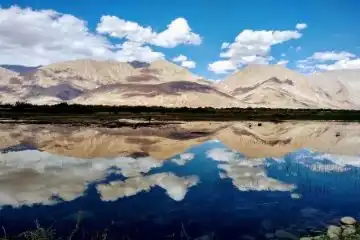
Nestled between the towering peaks of the Karakoram and the Ladakh ranges, Nubra Valley is a paradox in the high Himalayas. Here's a comprehensive look at the most famous natural places and attractions to explore in Nubra Valley. Nubra Valley is a place where arid deserts meet glacial rivers. In Nubra, Buddhist monasteries watch over blossoming villages. Here, ancient trade routes have left behind a legacy of stories, cultures, and breathtaking landscapes. If you're craving a destination that blends natural grandeur with offbeat charm, here's a guide.
1. Diskit Monastery: Spiritual Majesty Amidst Mountain Peaks
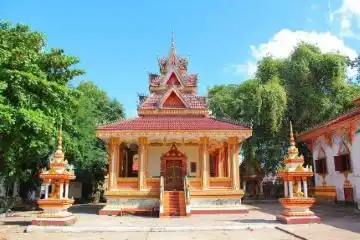
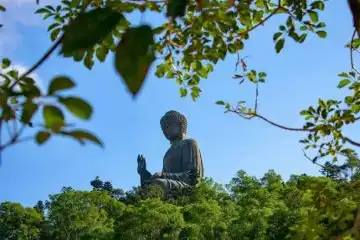
Dominating the skyline of Diskit village, this 14th-century monastery stands as a spiritual and geographical centerpiece in Nubra. It is the largest and oldest monastery in the valley. That offers panoramic views of the surrounding desert and riverbeds. They looks stunning especially from the base of the giant Maitreya Buddha statue that faces the Shyok River.
Inside, visitors can explore ancient Buddhist artifacts, vibrant frescoes, and prayer halls echoing with chants. The monastery also plays host to the annual Diskit Gustor Festival, which features masked dances. That depict the triumph of good over evil-a spiritual highlight for any cultural traveler.
2. Hunder Sand Dunes: Desert Wonders in the Himalayas
Nubra's Hunder region is famously home to vast white sand dunes-an anomaly at this altitude. What makes Hunder truly unique is the opportunity to ride Bactrian camels, descendants of the caravans. That once crossed these routes along the Silk Road.
The juxtaposition of sweeping dunes against snow-covered mountains is unforgettable. Sunset paints the entire landscape in hues of rose gold and lavender, offering a sensory experience. That's both surreal and serene.
3. Turtuk: A Frontier Village Frozen in Time
Once part of Baltistan and now one of India's last villages before the Pakistan border, Turtuk. It's one of the best natural places and attractions to explore in Nubra that's culturally rich as its naturally beautiful. The village is wrapped in apricot and walnut groves and features homes built from stone and wood with flat rooftops.
The locals, ethnically Balti Muslims, welcome visitors warmly and are happy to share their unique customs and history. The the natural attractions of Turtuk contrasts sharply with the arid deserts of central Nubra. That make Turtuk a hidden jewel for nature lovers and culture seekers.
4. Shyok River: The Valley's Lifeline
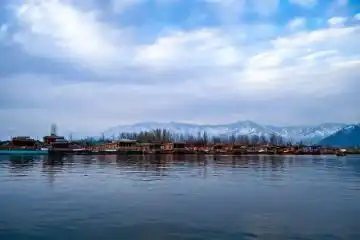
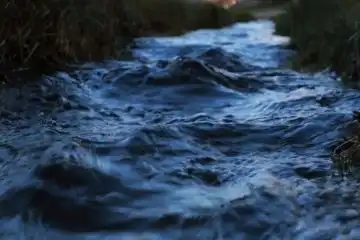
The mighty Shyok River snakes through Nubra like a silver ribbon. It carves dramatic gorges and create fertile floodplains that feed entire villages. Its name means "river of death" due to its unpredictable course. But, today it serves as a vital artery that nourishes both the land and its people.
During summer, the river's glacial waters take on a bluish-grey hue, flanked by wildflowers and grazing yaks. Bird watchers often spot Himalayan waterfowl along its banks.
5. Yarab Tso Lake: Hidden and Holy
Tucked away behind a ridge near Sumur, Yarab Tso. It is one of Nubra's most mystical natural places and attractions to explore in Nubra Valley. This high-altitude sacred lake remains untouched by mass tourism. Visitors must hike a short, rocky path to reach it. But, the reward is profound silence, mirrored waters, and a deep spiritual energy.
The lake is considered sacred, and locals believe it possesses healing powers. Pilgrims often visit to offer prayers, leaving behind butter lamps and symbolic stones.
6. Panamik Hot Springs: Healing Waters in Harsh Climes
At 10442 feet above sea level, the Panamik hot springs offer a rare blend of comfort and curiosity. It is one of the famous natural places and attractions to explore in Nubra. The warm, sulfur-rich waters have long been considered therapeutic, drawing locals and visitors alike to soak in its mineral-infused warmth.
The springs overlook the Nubra River, with views of snow-covered peaks on clear days. Infrastructure includes public baths and changing rooms, making it a comfortable detour for tired travelers.
7. Ensa Monastery: Mysticism on the Edge
For those who love hidden gems, Ensa Monastery is a rewarding destination. Situated atop a remote cliff, it's accessible via a 6-kilometer hike or rugged jeep track from Panamik. Inside, time seems to stand still-ancient scrolls, prayer wheels, and faded murals tell stories of a bygone era.
Outside, the views span miles of untouched terrain, and the wind whispers through prayer flags. That create an atmosphere that is both sacred and wild.
8. Sumur and Samstanling Monastery: Peaceful Monastic Life
Sumur, with its tree-lined paths and sunlit fields, is Nubra's pastoral retreat. It's also home to Samstanling Monastery-a vibrant monastic complex founded in the 19th century. Visitors can participate in daily rituals, observe the monks' routines, and explore prayer halls adorned with Buddhist iconography.
In spring, wild roses bloom throughout the village, and local women gather in the fields wearing traditional Gonchas. That add color and life to this quiet paradise.
9. Warshi and Yarma Gonbo: Remote Monastic Frontier
Warshi is the final civilian settlement before the mighty Siachen Glacier. This isolated village sits under the gaze of snow walls and icefields. It's people living in harmony with one of the world's most challenging environments.
Nearby, Yarma Gonbo Monastery offers solitude for those who seek silence. The trail to reach it is surrounded by towering cliffs and alpine meadows.
10. Sasoma: The Wild Frontier
Sasoma lies en route to Siachen and remains one of Nubra's most rugged outposts. Flanked by glaciers and towering cliffs, it offers a raw, untamed look at Ladakh's wildest terrain. The road here is dotted with military convoys, reminding visitors of the strategic importance of the region.
Despite its harshness, Sasoma hosts a surprising range of alpine flora. It is a hotspot for geological enthusiasts fascinated by glacial activity and sediment layers.
11. Lachung Temple: The Valley's Sacred Secret
Few travelers make the short detour to Lachung Temple. But, those who do are rewarded with profound peace. The temple is perched above Diskit and surrounded by rocks worn smooth by wind and time. It also houses relics believed to date back centuries.
It's often used by monks for silent retreats. It's location offers uninterrupted views of the valley below-a perfect setting for meditation.
12. Changing Landscapes: Nubra's Natural Tapestry
The true magic of Nubra lies in its transitions. Drive 10 kilometers and the landscape shifts dramatically. It turns from sand dunes to wetlands, from flowering poplars to barren rock walls. This rich variety makes every journey in Nubra feel like multiple destinations rolled into one.
You'll pass herds of pashmina goats and spot Himalayan griffons gliding above. Meanwhile, witness the Ladakhi villagers working the fields in harmony with nature. The ever-changing scenery ensures that even returning visitors always discover something new.
Conclusion: Embrace the Beauty, Spirit, and Silence of Nubra
Nubra Valley isn't just a destination-it is a sensory journey through silence, space, and stories. You may be wandering through ancient monasteries or soaking in mineral-rich hot springs. Further, explore remote villages, or simply watch the sky changing color behind a Himalayan peak. The most famous natural places and attractions to explore in Nubra offer endless inspiration.
Each visit to natural places and attractions to explore in Nubra uncovers a new layer of the valley's soul. That is mystical, majestic, and moving. So pack your bags, leave behind the chaos of modern life, and step into a land. There nature still writes the rules.