The best time to visit Panchkula for culture and history
Panchkula is often overlooked in favor of its more famous neighbor, Chandigarh. Understanding the best time to visit Panchkula is essential if you want to fully absorb its rich history and cultural vibrancy. Panchkula has its own treasure trove of cultural heritage, historical landmarks, and spiritual centers. It features a planned urban layout, ancient ruins, and religious festivals celebrated with great fervor. With them, Panchkula is a city where modern convenience meets timeless tradition. From weather patterns to seasonal festivals and temple fairs, this guide unpacks every detail. That you furtherneed to know for a fulfilling cultural getaway.
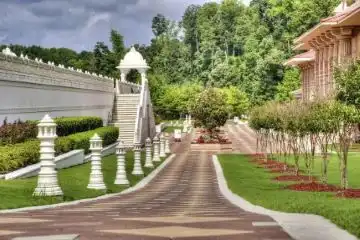
Embrace the Charm of Winter: November to February
Winter in Panchkula is undeniably the best time for culture-focused travelers. The temperature ranges between 5°C and 20°C. That is firstly perfect for long hours spent outdoors exploring the city's many heritage spots. Exploring the heritage places in Kurukshetra adds an historical charm to any journey. The cold air is crisp but manageable, and sunny days are common. That meanwhile provide ideal lighting for photography and sightseeing.
This is when attractions for example Yadavindra Gardens and the Bhima Devi Temple Complex truly shine. The lack of heat and humidity allows for a more comfortable experience while walking through extensive historic landscapes. Moreover, local events, such as heritage walks and open-air music festivals, are frequently organized during this time. It is one of the best time to visit Panchkula for adding a modern touch to age-old traditions. This is the season when Panchkula's cultural roots feel most alive. It is also when pilgrimages to temples like Mansa Devi reach their peak, especially during winter Navratri.
Witness Cultural Rebirth in Spring: March to Early April
Spring brings with it a burst of colors and pleasant weather. The flowers in full bloom across Pinjore Gardens firstly make a picturesque backdrop to heritage monuments. It stands out further with temperatures averaging between 15°C to 25°C. This is the best time to visit Panchkula with it's outdoor historical sites. That too without the fatigue of summer heat.
Holi, the festival of colors, is one of the major cultural events celebrated during this season. Streets come alive with music, dance, and bursts of vibrant powder. Attending local Holi celebrations can be a beautiful way to experience cultural warmth and hospitality of Panchkula's residents. This season also marks the start of new life in the surrounding nature. That further makes temple visits and spiritual retreats all the more serene.
Beat the Heat Strategically in Summer: May to June
Though summer in Panchkula can be challenging due to soaring temperatures. But, there are still meaningful cultural experiences to enjoy if planned wisely. During this time, daytime highs often reach 40°C. Therefore, outdoor activities should be reserved for early mornings and late evenings.
The Mango Festival held at Pinjore Gardens is a summer event not to be missed. This festival firstly showcases the diversity of Indian mangoes, accompanied by cultural programs. That further include traditional folk dances and local artisan markets. If you're up for early exploration, a sunrise visit to Mansa Devi Temple or the Morni Fort can be surprisingly refreshing. Despite the heat, the sense of calm in Panchkula's spiritual centers remains constant.
Discover Panchkula's Green Soul in the Monsoon
The monsoon breathes new life into Panchkula's landscapes. Sudden downpours may interrupt travel plans. But, they meanwhile paint the city's hills and gardens in lush shades of green. This is particularly true in the Morni Hills area. There, panoramic views of mist-covered valleys create a magical setting.
Although many outdoor events are scaled back during the rains, the cultural essence doesn't fade. Indoor temples, museums, and galleries continue to offer rich cultural experiences. Monsoon is the best time to visit Panchkula to slow down. You can explore heritage at a relaxed pace, and enjoy hot street foods like pakoras with masala chai. If you are seeking a reflective and romantic atmosphere, choose the monsoon season. That further offers a quieter, more introspective cultural experience in Panchkula.
Celebrate Autumn's Arrival and the Festive Spirit: October
October acts as a cultural bridge between the rainy season and the festive-packed winter. With milder temperatures and reduced humidity, it is best time to visit Panchkula for sightseeing. This month is particularly exciting because it often aligns with Navratri and Dussehra celebrations.
The Mansa Devi Temple becomes a spiritual hotspot during this time. That draws devotees from all over the region. Devotional songs, garba nights, and decorative lighting transform the temple grounds into a celebration of devotion and joy. For cultural travelers, this is a golden opportunity. As they can meanwhile witness religious India in full fervor without the discomfort of extreme weather. Above all, it's one of the most enriching times to be in the city.
Bhima Devi Temple and Pinjore Gardens: Heritage in Bloom
When exploring Panchkula's cultural map, Bhima Devi Temple Complex and Pinjore Gardens top the list. Bhima Devi's sandstone carvings and ancient temple ruins take you back to the 8th century. On the other hand, Pinjore Gardens further offer a living example of Mughal-era landscaping.
Winter and spring are the best time to visit Panchkula and these places. The carvings on Bhima Devi Temple are easier to appreciate in soft sunlight. While Pinjore Gardens become a visual delight with fountains and flowers in full display. During festivals like Baisakhi, these spaces host cultural shows, dance performances, and fairs. That make them more than just visual experiences-they become living platforms of heritage.
Morni Hills and Morni Fort: History Meets Nature
Morni Hills is the only hill station in Haryana. It offers not only cool air and stunning views but also historical depth. Morni Fort, perched atop the hills, dates back to the 17th century. That meanwhile offers sweeping vistas of the valley below.
The best time to visit Panchkula and this area is post-monsoon and in winter. During that, the trails are firm and skies are clear. It's ideal for travelers who want a mix of history and light adventure. The surrounding area has several sacred lakes and small temples that add to the sense of spiritual calm. Whether you're a history buff, nature lover, or spiritual seeker, Morni Hills encapsulates a unique blend of all three.
Mansa Devi Temple: Spiritual and Cultural Anchor
No cultural tour of Panchkula is complete without a visit to Mansa Devi Temple. It is one of the most revered Shaktipeeths in North India. That attracts thousands of pilgrims each year, especially during Navratri.
Winter and autumn are the best seasons for visiting this temple complex. During these months, the temple hosts grand festivals, traditional dance shows, and spiritual discourses. The atmosphere is deeply devotional yet festive. Even during off-peak times, the temple's intricate architecture and the surrounding gardens provide peace and reflection. Whether you are religious or simply curious, the cultural significance of this site is worth experiencing first-hand.
Exploring Local Markets and Street Culture in Panchkula
Understanding a place's culture isn't complete without exploring its local markets and street scenes. Panchkula's Sector 8 and 9 markets are bustling with life. They meanwhile offer everything from traditional Haryanvi snacks to handmade artifacts.
Winter evenings are perfect for exploring these markets. You'll find food vendors selling hot jalebis, samosas, and parathas. Handicraft stalls often pop up during festival months. They offer souvenirs for example embroidered textiles, terracotta ware, and beaded jewelry. These markets give you an unfiltered look into the daily life of Panchkula residents. Above all, they are great places to interact with locals, hear stories, and enjoy authentic street food.
Festivals and Cultural Events: Timing Is Everything
Many cultural festivals align with specific times of the year. That further makes it crucial to plan your visit accordingly. Navratri (celebrated twice a year), Diwali (in October-November), Baisakhi (April), and Holi (March) are among the most prominent.
Each festival comes with its own rituals, decorations, and public events. Participating in these, even as a spectator, offers an emotional connection to the region. The best time to visit Panchkula is often dictated by these festivals. That further bring the entire city alive. If you are lucky enough to time your visit around them, you are guaranteed a deeper, more personal understanding of local culture.
Museums and Art Galleries: Indoor Culture Unveiled
While Panchkula is famous for its outdoor historical sites, its museums and galleries deserve attention too. Visit places for example the Government Museum in Sector 5 and local art exhibitions. They offer curated insights into Haryana's cultural evolution.
These indoor attractions are particularly useful during the monsoon and summer seasons. You can firstly escape the weather while still diving deep into the local heritage. Exhibits often include archaeological findings, traditional costumes, regional music instruments, and tribal art. For travelers who prefer thoughtful exploration over bustling events, these quiet spaces offer ample inspiration.
Culinary Traditions and Seasonal Flavors
One of the most delightful ways to engage with culture is through food. Panchkula offers a mix of Punjabi and Haryanvi cuisines, with dishes that vary subtly across the seasons.
During winter, hearty meals like makki ki roti with sarson da saag and gajar halwa are local favorites. Summer introduces lighter dishes and mango-based sweets. Monsoon calls for snacks for example bhajiyas and aloo tikki. That are enjoyed best under a roadside stall during a drizzle. If you visit during a festival, expect lavish community meals. That are often organized near temples or community halls, where you can dine like a local.
Cultural Travel for Families and Solo Explorers Alike
Panchkula is an excellent destination for both family vacations and solo cultural exploration. Families will enjoy organized heritage tours, picnics at gardens, and light treks around Morni Hills. Children can learn about ancient history at temple complexes or enjoy cultural performances during festivals.
Solo travelers will find it easy to explore due to the city's layout and public transport availability. For those seeking reflection, Panchkula offers tranquil spaces that are spiritually uplifting and historically significant. The city's friendly locals and relatively low tourist traffic make it feel personal and welcoming.
Conclusion: Time It Right for a Meaningful Experience
Panchkula may not always make the headlines. But, for those in search of culture, spirituality, and historical richness, it delivers generously. You may be enjoying the vibrant festival of Navratri or the peaceful vibe of Pinjore Gardens. Above all, you may be diving into the sacred aura of Mansa Devi Temple. In short, the city is packed with moments worth cherishing.
The best time to visit Panchkula depends on your interests. But for a wholesome cultural and historical experience, winter (November to February) and early spring (March-April) are best. These seasons offer pleasant weather, an active festival calendar, and easier access to outdoor and indoor cultural sites. Therefore, pack your bags, plan around the festivals, and prepare to dive deep into a city. That meanwhile welcomes curiosity with open arms.